Hyphen Kubernetes management connects registered clusters to your organization through Horizon, then gives you a central place to review fleet health, inspect inventory, connect observability, run Agent analysis, configure cleanup policies, and remove clusters.
Horizon is the lightweight agent installed in your cluster. It registers the cluster with your Hyphen organization and reports inventory back to Hyphen so the inventory and cleanup features can work.
Use the Kubernetes section when you want to:
- Add a cluster to Hyphen with the Horizon install command.
- Review fleet health across private, AWS, Google Cloud, and Azure environments.
- View inventory snapshots and compare changes over time.
- Connect New Relic, Datadog, SigNoz, or Google Cloud metrics and logs to a cluster.
- Run Kubernetes optimizer analysis for a specific workload, or schedule it with a policy.
- Configure Kubernetes cleanup policies for the organization or for a specific cluster.
- Remove a cluster from Hyphen.
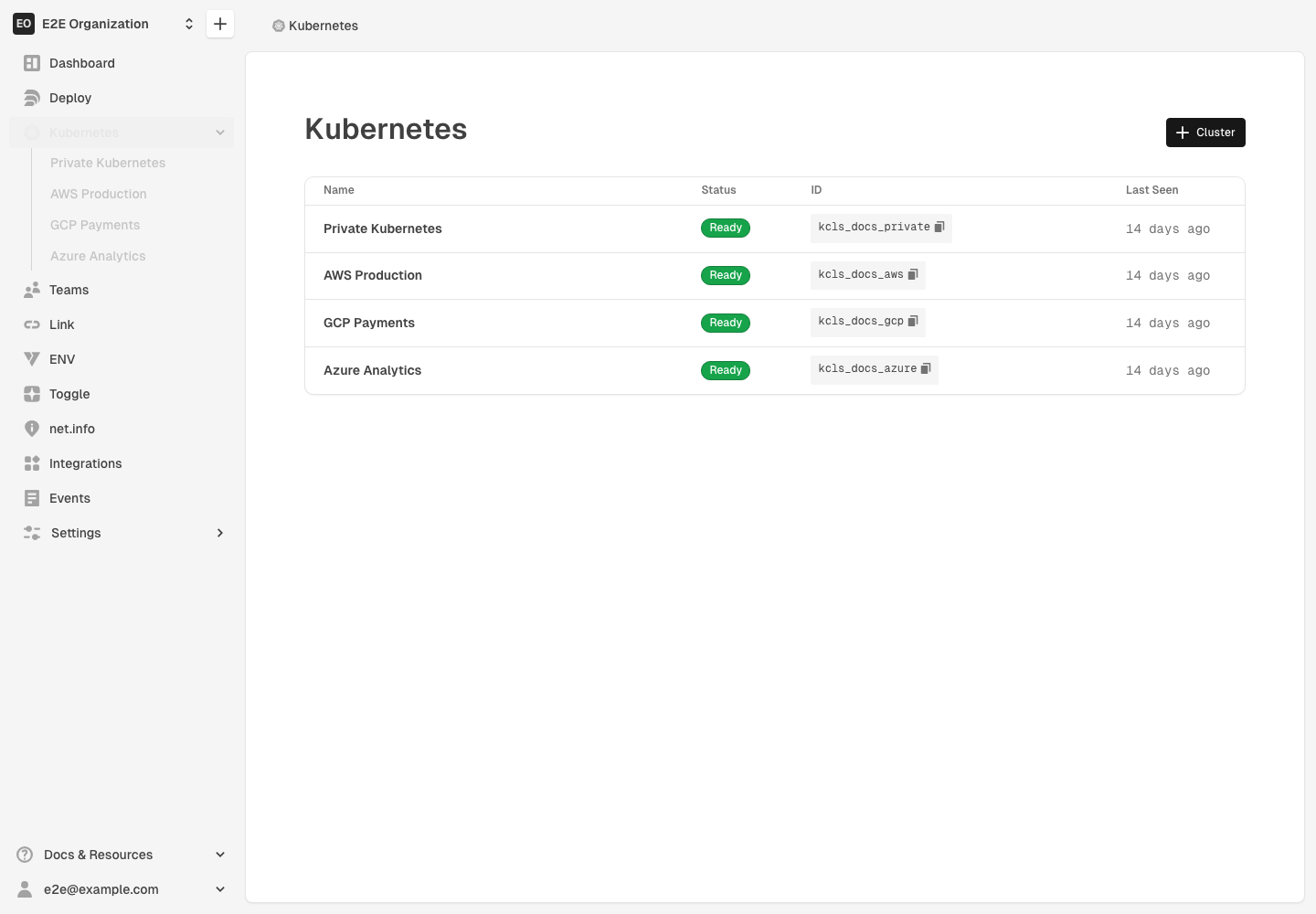
Table of Contents
Fleet Health
The organization dashboard and Kubernetes cluster list summarize the latest inventory across your fleet:
- Connected clusters and clusters currently considered healthy.
- Ready pods compared with total pods.
- Container issues and warnings.
- Each cluster's cloud provider, latest inventory time, pod readiness, and health status.
Hyphen marks a cluster as needing attention when its latest state or inventory contains issues, warnings, or pods that are not ready. A cluster without inventory shows Inventory pending until its first snapshot is available. Select a cluster to investigate the underlying inventory.
For the other organization cards, see Dashboard Overview.
Cluster Providers
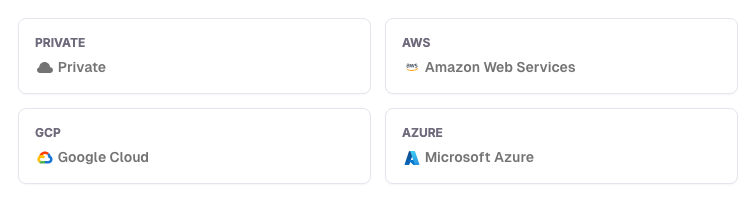
Hyphen identifies the cloud provider for each registered cluster when that information is available. Provider badges appear on the cluster detail page, including Private, Amazon Web Services, Google Cloud, and Microsoft Azure clusters.
Observability
Connect New Relic, Datadog, SigNoz, or Google Cloud telemetry from a cluster's Settings tab. Hyphen Agent can combine those runtime metrics and logs with inventory when it analyzes a Kubernetes workload.
See Kubernetes Observability for setup instructions and required provider access.
Guides
- Add a Kubernetes Cluster
- Inventory Snapshots
- Observability
- Kubernetes Optimizer
- Optimizer Policies
- Kubernetes Resource Cleanup
- Cleanup Policies
- Remove a Cluster
For how Agent scans clusters for stale resources, presents cleanup candidates, and handles approvals, see Kubernetes Resource Cleanup in the Agent section.
Requirements
Kubernetes management requires:
- A Hyphen organization with Kubernetes access enabled.
- Permission to manage organization Kubernetes clusters.
- Access to run
kubectlagainst the cluster you want to register. - Network access from the Horizon pod to Hyphen.
Inventory and cleanup features require the Horizon pod to be installed and connected. Until the cluster reports inventory, Hyphen can show the cluster record but cannot render the inventory graph or calculate inventory-based fleet health. Observability connections are optional and require a supported provider integration.